


What is a Dynamic Solution?
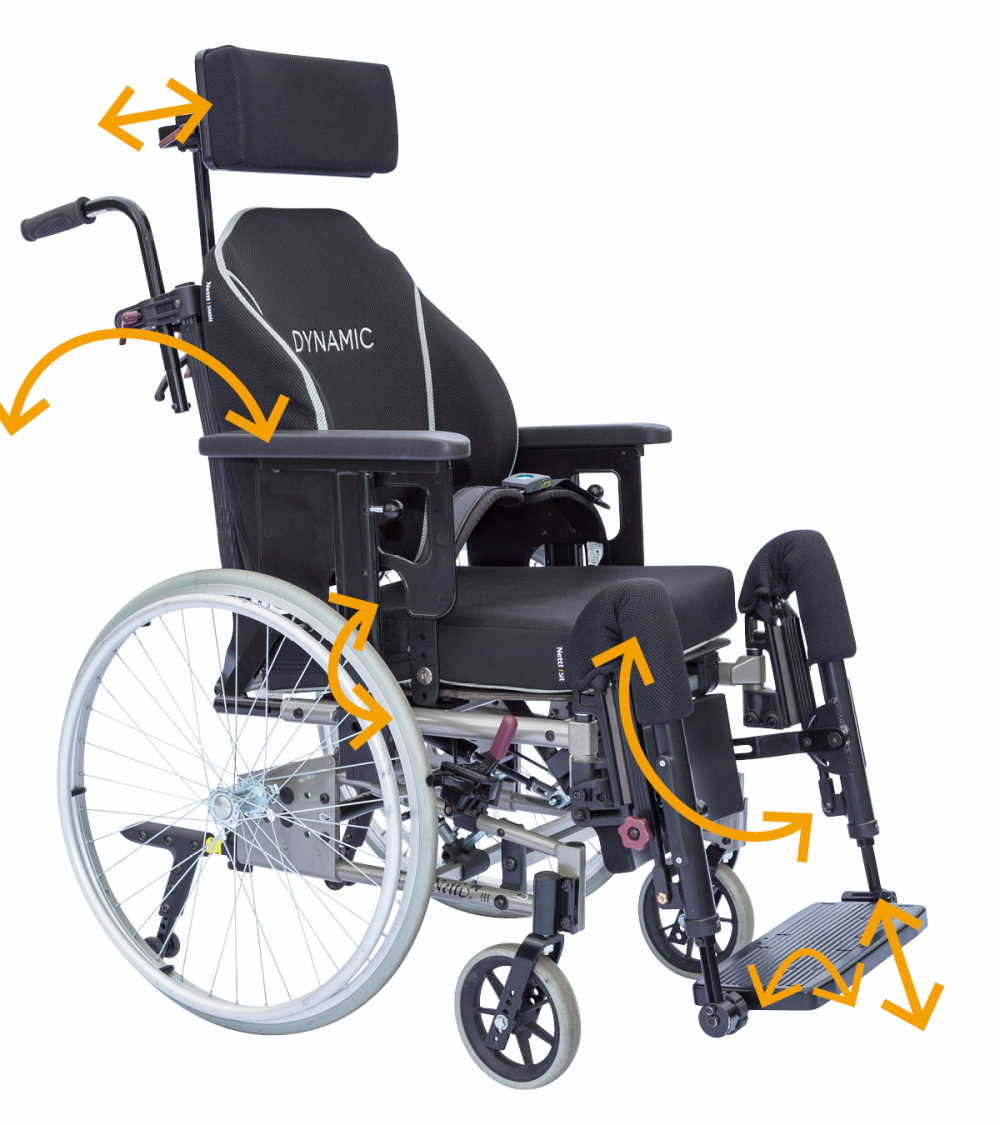
A dynamic wheelchair solution is designed to work with the user’s natural movements rather than restrict them - whether these are voluntary or involuntary.
By allowing controlled motion in the seat, back, leg, and head support, it helps maintain a stable and comfortable seating position over time.
The dynamic feautures of our wheelchairs absorb and respond to forces from extension patterns, spasms, or restlessness. In that way the options can help reducing strain, preventing sliding, and supporting optimal posture.
Curious? Please contact us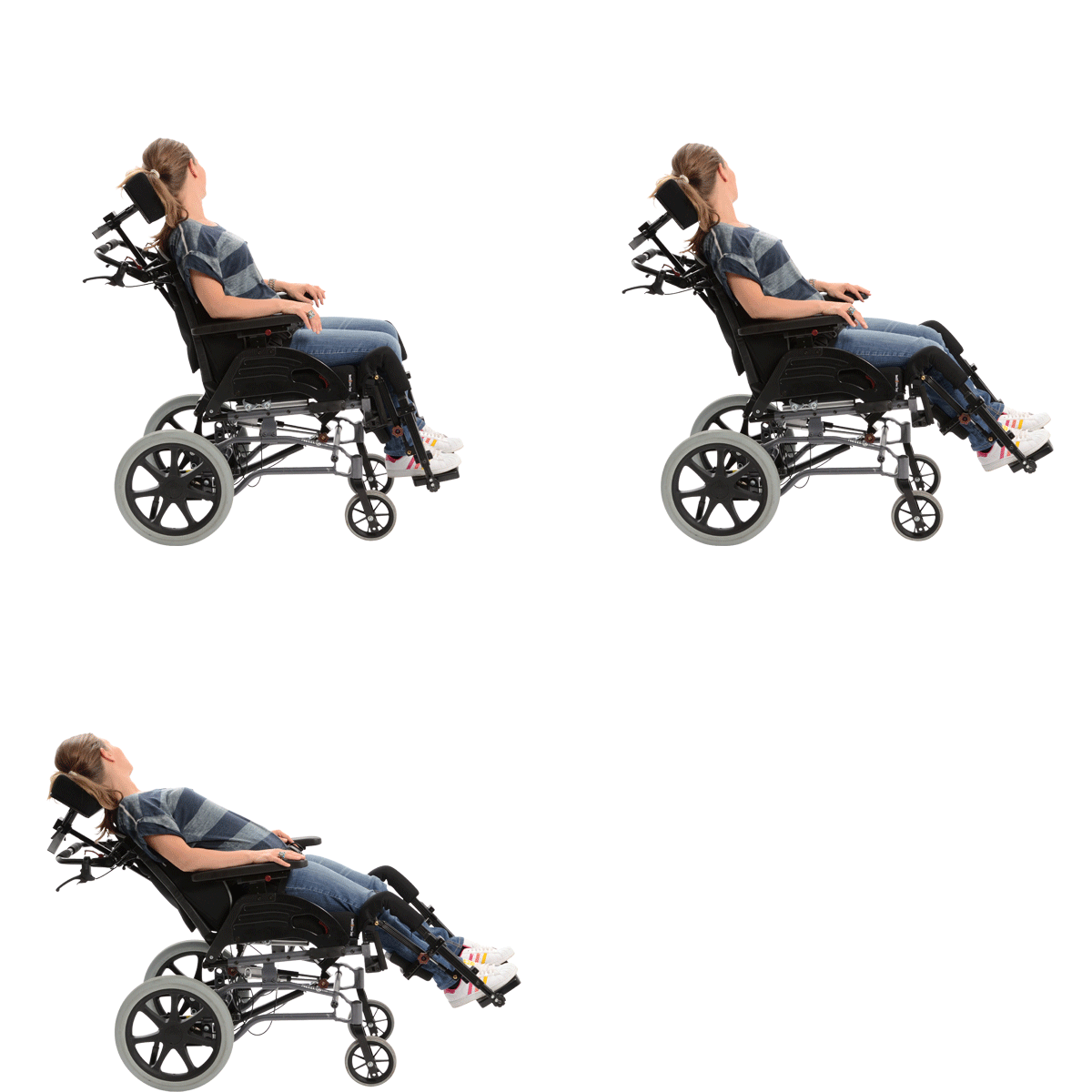
The Netti Dynamic System
Patented solution since 2015
At Netti, we are dedicated to improving quality of life through advanced seating solutions. Since 2015, we have delivered dynamic solutions in close collaboration with our many dealers and retailers, ensuring that users receive the best possible support tailored to their individual needs.
Our patented solutions are designed to accommodate movement, enhance comfort, and promote optimal positioning. By working with the body rather than against it, our dynamic wheelchairs help reduce strain, prevent injury, and support everyday well-being.
For many users, this has translated into increased comfort, greater freedom of movement, and ultimately an improved sense of joy and quality of life.

Why choose a dynamic solution?
The approach of the Netti Dynamic System promotes comfort, protects the body, and enhances overall quality of life.
If a user has voluntary or involuntary movements, a dynamic wheelchair solution should be considered to:
- allow movement
- distribute forces
- prevent injury
- improve postural control
- enable independence.

What are the key benefits for the user?
We at Netti always seek to improve the user’s overall wellbeing and ability to take part in everyday life activities. The seating advantages of dynamic solutions are among others:
- Being able to sit longer time in the wheelchair
- Skin protection by minimizing sliding and shear
- Optimal posture enabling
- Better eating, drinking and respiration functions
- Less pain

Who may benefit from a dynamic solution?
Persons that can benefit from dynamic solutions include e.g.
- Dyskinetic CP
- Users with restlessness
- Dystonia
- Chorea Huntington
- Parkinson's disease
- Demential Syndromes
- Traumatic brain injuries (TBI)
- Spinal cord injuries
Find guidance to the right solution below ↓
Quick guidance to selecting the right dynamic solution
 |
Fully dynamic wheelchair incl. - dynamic seat - dynamic back - dynamic leg support - dynamic head support |
Static wheelchair incl. |
Static wheelchair incl. - dynamic back |
Static wheelchair incl. - dynamic head support |
| Not relevant | Consider | Consider | Consider |
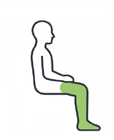 |
Fully dynamic wheelchair incl. - dynamic seat - dynamic back - dynamic leg support - dynamic head support |
Static wheelchair incl. |
Static wheelchair incl. - dynamic back |
Static wheelchair incl. - dynamic head support |
| Not relevant | Essential | Consider | Not relevant |
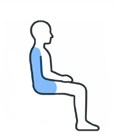 |
Fully dynamic wheelchair incl. - dynamic seat - dynamic back - dynamic leg support - dynamic head support |
Static wheelchair incl. |
Static wheelchair incl. - dynamic back |
Static wheelchair incl. - dynamic head support |
| Not relevant | Not relevant | Essential | Not relevant |
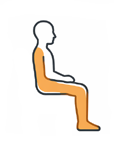 |
Fully dynamic wheelchair incl. - dynamic seat - dynamic back - dynamic leg support - dynamic head support |
Static wheelchair incl. |
Static wheelchair incl. - dynamic back |
Static wheelchair incl. - dynamic head support |
| Consider | Essential | Essential | Not relevant |
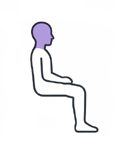 |
Fully dynamic wheelchair incl. - dynamic seat - dynamic back - dynamic leg support - dynamic head support |
Static wheelchair incl. |
Static wheelchair incl. - dynamic back |
Static wheelchair incl. - dynamic head support |
| Not relevant | Not relevant | Consider | Essential |
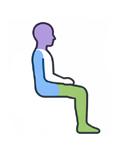 |
Fully dynamic wheelchair incl. - dynamic seat - dynamic back - dynamic leg support - dynamic head support |
Static wheelchair incl. |
Static wheelchair incl. - dynamic back |
Static wheelchair incl. - dynamic head support |
| Essential | Not relevant | Not relevant | Not relevant |
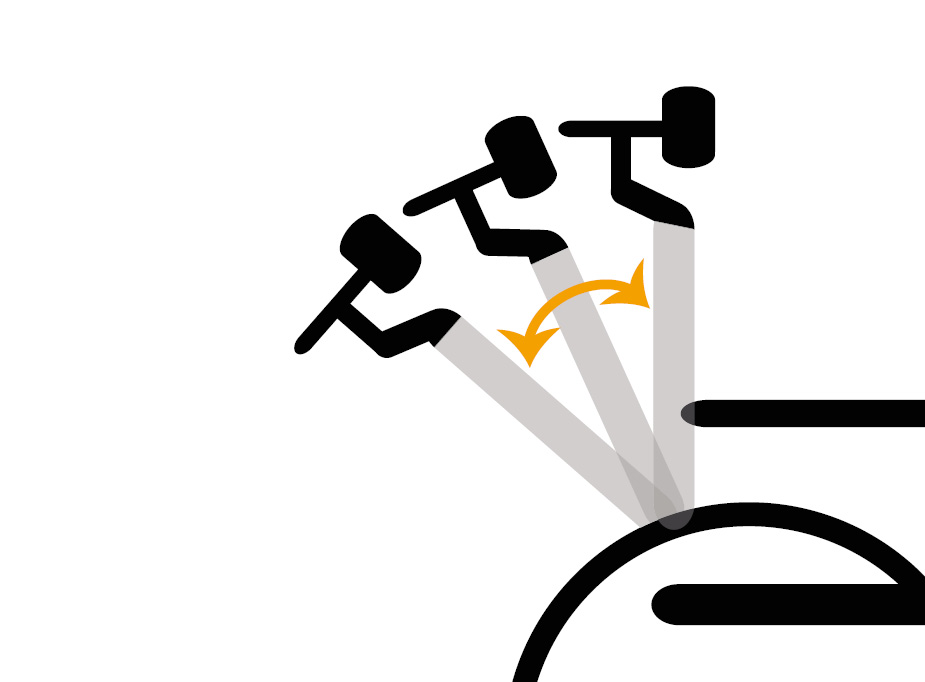
Dynamic back
Option for static wheelchairs and standard on fully dynamic wheelchairs
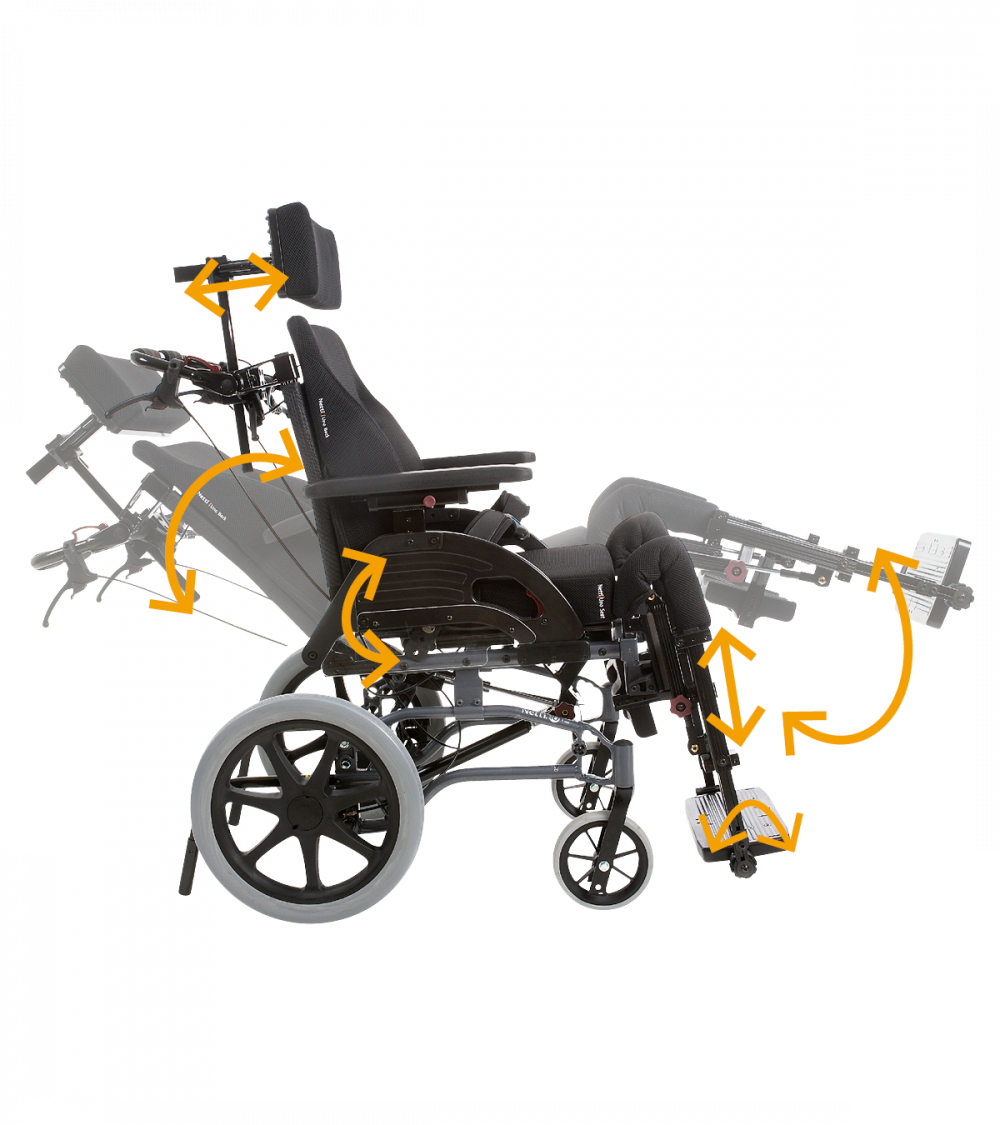
The back unit automatically adapts to both small and large trunk extension movements—even reaching a fully reclined position. The wheelchair actively absorbs the forces generated, providing the user with smooth, controlled movement without the risk of sliding.
As the user relaxes, the system gently guides them back to their original seating position, supporting optimal posture and reducing the risk of pressure injuries. This ensures enhanced comfort, safety, and stability throughout every movement.
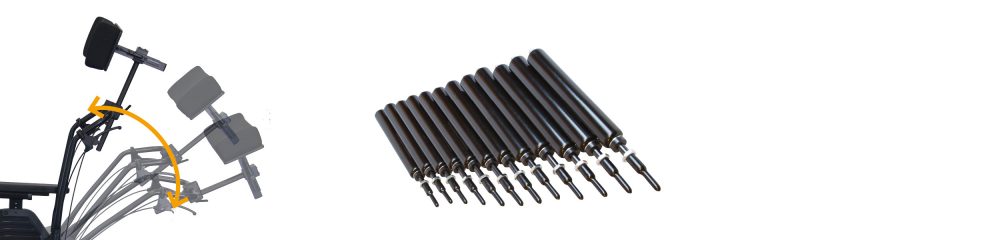
Gas springs are available in different strengths to match the user’s weight and the intensity of their movements.
Dynamic seat unit
Standard on fully dynamic wheelchairs
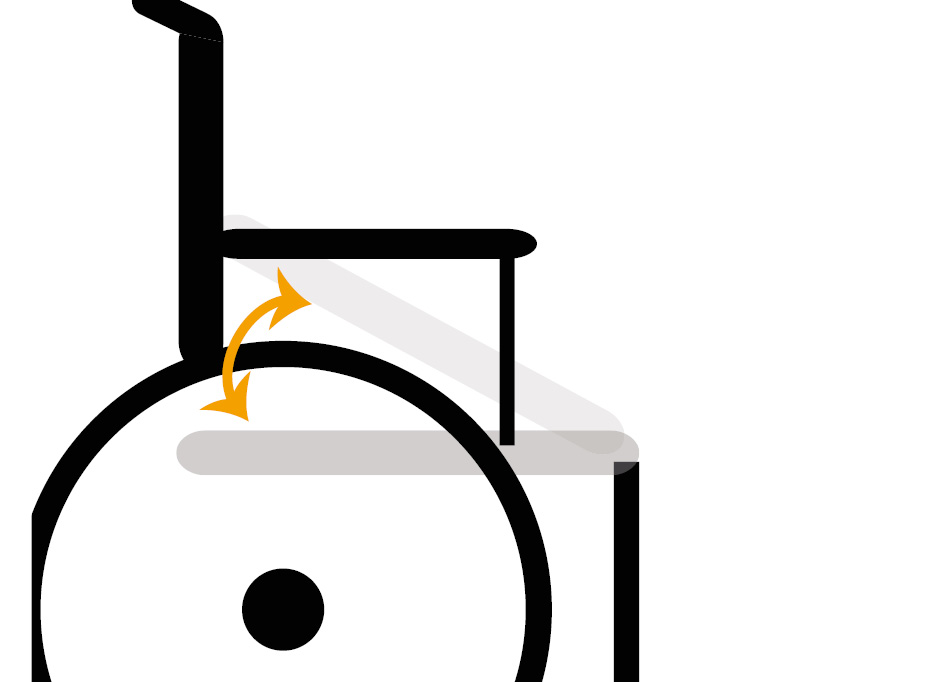
The seat unit is a key element in managing extension movements. It smoothly adapts to hip and knee extension, absorbing motion to prevent the user from sliding forward or ending up in an unhealthy seating position.
As leg extension directly affects the hip angle, the seat plate’s ability to follow these movements is essential. This dynamic support helps maintain a stable, safe, and comfortable seating position at all times.
Dynamic leg supports
Option for static wheelchairs and fully dynamic wheelchairs
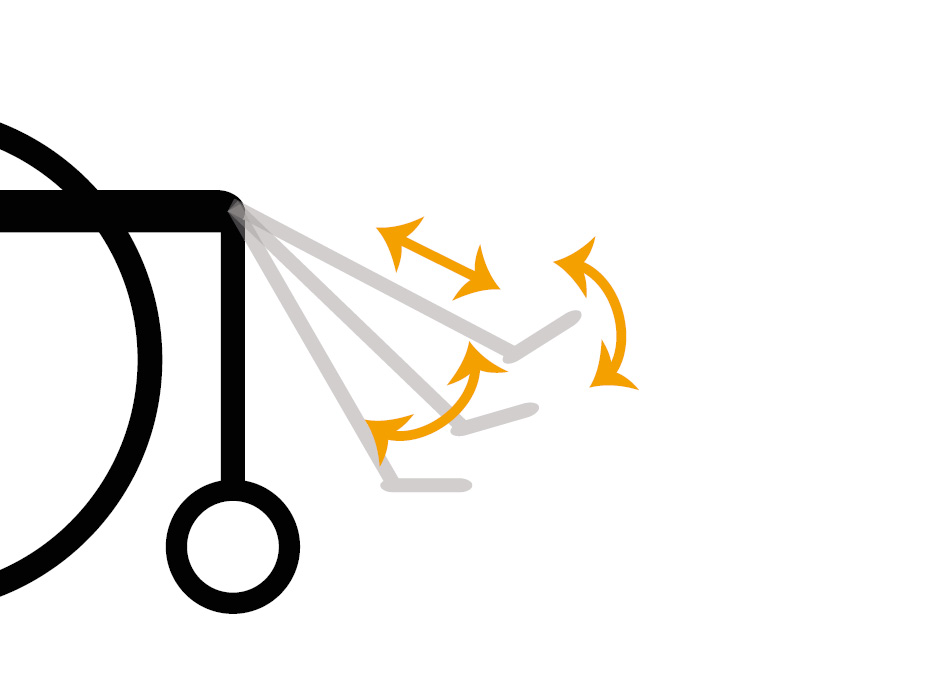
Dynamic leg supports play a crucial role in helping users maintain an optimal seating position over time. Many users with restlessness experience frequent leg movements, which can easily compromise posture in a static wheelchair.
The dynamic leg supports are designed to accommodate these movements through a flexible knee angle, adjustable length, and adaptable footplate angle. By allowing the legs to move more naturally—while still providing controlled support—they help prevent sliding, protect the hip angle, and ensure the user remains comfortably and safely positioned throughout the day.
Dynamic head support
Option for static wheelchairs and fully dynamic wheelchairs
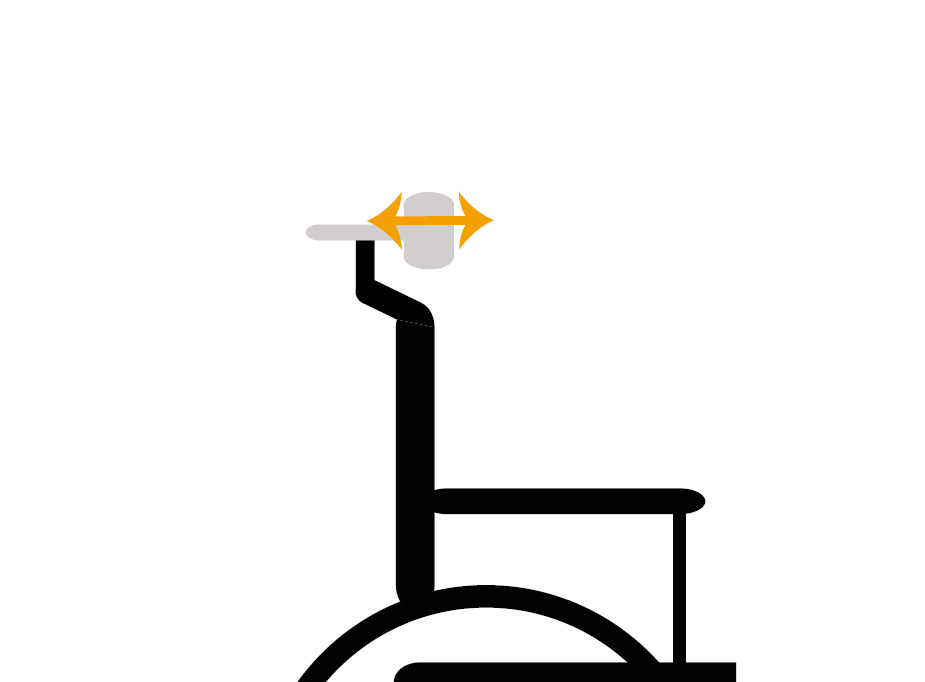
The dynamic head support follows the user’s head movements and gently dampens them using gas springs—while maintaining all original height and depth adjustments.
This provides enhanced comfort and stability, making it easier for the user to engage in social interactions. At the same time, it reduces strain on the head and neck, helping the user remain relaxed and well supported throughout the day.

You are more than welcome to contact us for further information.
Contact us at netti@meyragroup.com